You'll Be Handsome, You'll Be Beautiful
when Jenny Lewis sang about being "awake, but cannot open my eyes” I understood it better than I have understood most things
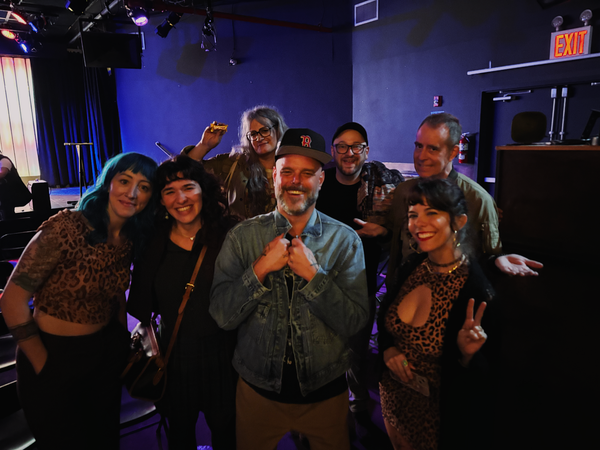
Here is the essay I wrote and read for Words and Guitar: A Night of Amazing Music in Brooklyn last October, which I wrote about here. This has been edited only slightly from the version I read on stage that night.
My mom has been asking me which of her things I would like to keep, which is her way of asking what pieces of her I will hold onto when she’s gone, and so we talk about the art on her walls and her heirlooms on the shelf but we don’t talk about death. We don’t talk about depression really, aside from acknowledging that it’s real, which is a little like agreeing that some people believe they saw Bigfoot. It doesn’t really matter if they did, what matters is they say it and little else, and for some that’s as much as they need. They just like to agree that Bigfoot has been seen, and that sometimes people get depressed. But we don’t really talk about bigfoot or other things, other than to acknowledge that there’s a word for them and so they must be real, because they don’t name the things we can’t claim to see.
When she tells me about what my sister wants or doesn’t, the list is detailed. My sister doesn’t want the jewellery that's been offered to her, jewellery that I tell her I have fond and abiding memories of. It’s not offered to me the same way, though. I think it’s harder for her to believe that I could want her jewellery, because how could the son they named want her long collection of cascading bracelets as a daughter they didn’t, and so I say I’ll think about it, and that I would honestly rather not think about it at all. My mom is in her 70s, and some of her friends have died and some have developed dementia and others have faded into the backdrop of her stories. Sometimes when we talk she tells me the same stories about being old. She tells me how she feels old. Sometimes she tells me about the time they saw Smokey Robinson and The Miracles and the Commodore in Vancouver, and how my dad was a better dancer than you would think. There’s a finality to her that hasn’t always been there, and I suppose if I had survived as long and as much as her, I would also develop a kind of morbid curiosity with the last sections of a to-do list. We don’t talk about depression by name, but it’s there, hidden in the details of the long conversations I have with my mom about the parts of her I’ll keep when she’s faded into the backdrop of my own stories.
With all that then, when Jenny Lewis sang about being "awake, but cannot open my eyes” I understood it better than I have understood most things. I have been there in that same darkness. Awake, but not really awake, alive but only by technicality. Depression spelled out with a steady rhythm, less a waltz and more a march or commandment. “A Better Son/daughter” — which is an obvious choice of song for a transsexual woman to write about but only by name — starts soft and shallow, the way depression might grip your throat. When I was young and a son to a mother who did not talk about depression it felt like this. Everything hushed and held in. Every hard and terrible thing that keeps the covers pressed tight over the body is never given a name in hopes it will never be real.

Jenny Lewis sings softly about how the weight is crushing down on her lungs in the opening seconds of the song, where her voice sounds like it’s coming through a radio. Where it’s hidden behind something, the veil of the world acting as a filter. She is hoping for someone to save her, her mother is calling her insane. She lashes out, and tells her mother that she wants her to give in to the demons that posses her, because she’s angry or manic and it doesn’t really matter. What matters is she’s feeling it, and she can’t help but feel it, and it’s freeing in this way. What matters is it’s real and she can’t help or hide it. It just is, and the best she can do is find a way to make these dark feelings beautiful by finding words for all her worst impulses and stringing them together as poetry.
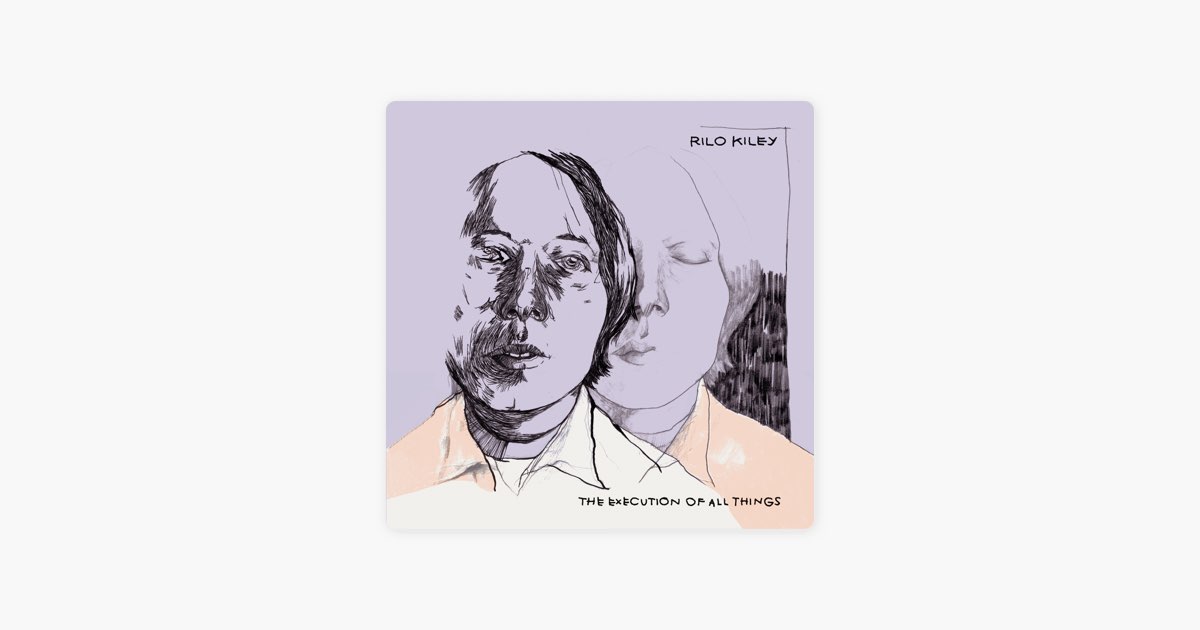
I wish there were more songwriters who wrote so directly about this kind of depression. How it’s almost unavoidable, how it’s unseen. How the lows feel so extreme, as to cheapen the good parts of the day. We can credit Rilo Kiley for many things, but here in front of you I would like to acknowledge how she found a way to make fighting your own insidious brain worth it. She has made feeling manically sad and happy feel real and in doing so made it important and unavoidable. Made it beautiful, even though it’s dark and even though it’s hard and desperate and mean sometimes. She doesn’t sing about it in a way that cheapens it, but in a way that tells you she sees the same bigfoot as you, and does nothing more than acknowledge its trailing footprints.
When the song builds, it’s inevitable. This is the way it works. You’ll be sad and crushed, but you can remember the good days, when your heart was open wide to the beauty of the world. And sometimes when you’re on you’re really fucking on. This rising wave, accented by the music getting louder, by the one-two drums and Lewis' voice becoming clear and bold and loud. The way that manic gives way to joy. There was a time when we didn’t really talk about mental health. Not in any way that feels real. My mom will tell me this is a generational thing, and when I tell her I suffer from clinical depression she’ll apologize and change the subject.
Often, songs about sadness have a villain. The lover who broke your heart, or the spectre of death and loss. But rarely it’s your own mind with a blade turned inward, and it was healing to hear Lewis sing with such delicate poetry to feelings that have consumed me in small pieces over many long years.
My mom told me that I was a piece of shit once, when I was 15 or maybe 16, which I was, although we never knew why. I was being a piece of shit because I was depressed and anxious and those manifested as self-destructive tendencies because I didn’t know what else to do with them. She called me that because she couldn’t help but call my demons out by name. When I was a son I was a piece of shit, who grew into an adult who got better at faking it. Jenny Lewis sings “you’ll be better, and you’ll be smart, and a better daughter, or son” and I have been all of the people in this sentence because I learned to fake it when it was so hard. When the lows were so extreme. When I became a daughter it was after I had been so broken that faking it no longer worked, and it was either let the demons claim me inside or find a way to fight and live into my own older years. “you’ll be handsome, and you’ll be beautiful.”
"A Better Son/Daughter" is a bitterly perfect recreation of mental illness and how it changes you without asking. How you might wake as one person and go to bed as another. I am not bipolar but my partner is, and I see it in her even as she sees demons in me, my clinical depression that shifts in and out, and my obsessive tendencies. We have learned to talk about them in ways that my mom never will, who will tell me its generational for her and that she’s sorry she never saw it before. I am grateful then to have found these songs when I was younger, that gave names to the terrible things in the world. Gave them stories and sentences and stopped being afraid of how terrible they feel. They feel so fucking terrible some days, but that’s only the beginning of the song. That’s only until you’re on, until you’re really fucking on. And this is the beauty of it, how it builds and becomes loud and bold and angry. Real. As if a uncontrollable thing could be described in endless syllables and stanzas, as if depression is only a verse away from feeling what passes for joy.
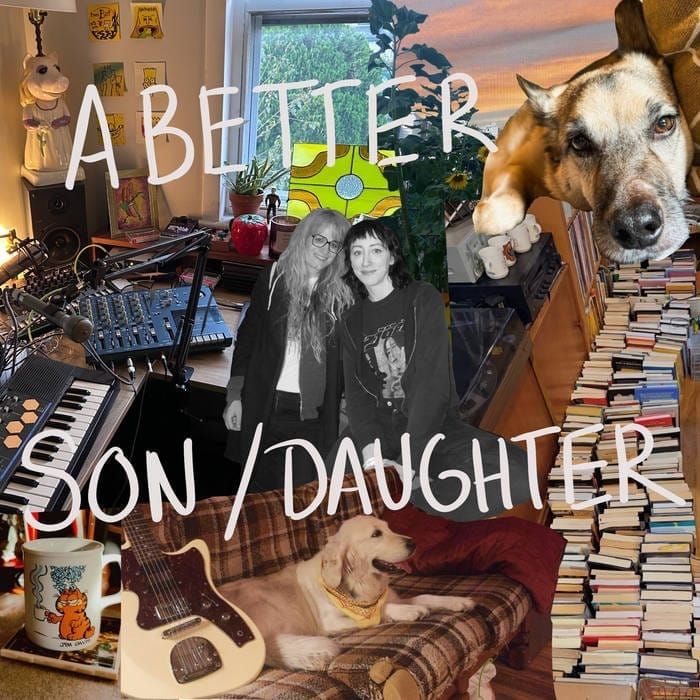
I was so fortunate to have my friend Augusta play this song for the live show we did in New York City – Words & Guitar: a Night of Amazing Music. One of my favourite people, and a beautiful artist, who made me cry when she played this live at the show, and continues to no matter how many times I listen to it.
Here's Augusta's cover, recorded at home after the show, please buy it on Bandcamp, and buy some Gladie while you're at it!